uPVC replacement windows.
A versatile frame material with plenty of choices in colour, shape and opening style.
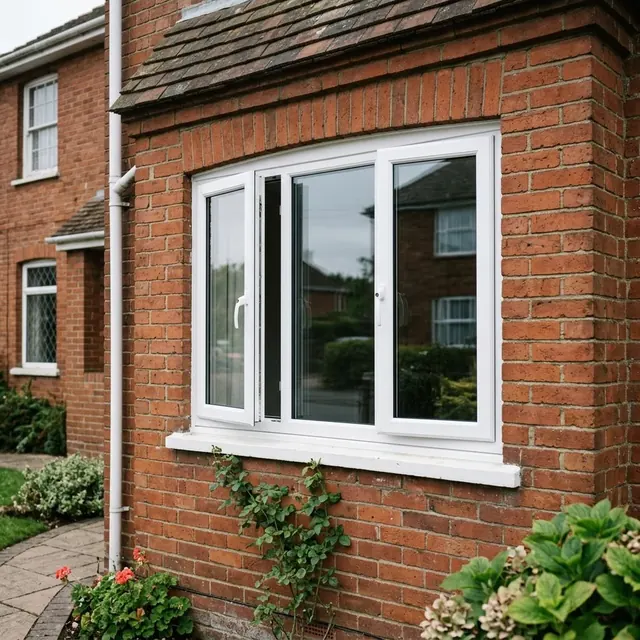
What are uPVC windows?
uPVC describes the frame material, not the way a window opens. It can be paired with casement, tilt-and-turn, flush and other designs. It is a familiar choice for replacement windows because it offers a broad range of finishes and usually needs straightforward day-to-day care.
Worth thinking about.
Start with the frame colour and profile, then decide how each room needs its window to open. The right specification depends on your home, the existing opening and your priorities.
Practical details.
Maintenance
Wash the frames with mild soapy water and a soft cloth, then rinse and dry. Avoid abrasive cleaners and solvents. Keep drainage openings clear and follow the hardware maker's care guidance for moving parts.
Finishes & colour
White is one option; coloured and wood-effect finishes may also be available, depending on the system. Check a physical sample in daylight and ask whether the colour is applied to one or both frame faces.
Room & opening
The material can be used with different window designs, so suitability depends more on the opening, ventilation needs and chosen hardware than on the frame material alone. Consider access for cleaning and any relevant building requirements.
Frequently asked questions.
How should I clean uPVC window frames?
Use mild soapy water and a soft cloth, rinse away residue and avoid scouring pads, strong solvents or abrasive cleaners. Check the manufacturer's instructions for the specific frame.
Can uPVC windows be a colour other than white?
Many systems offer a selection of colours or wood-effect finishes, but the options vary. Ask to see samples and confirm the finish on the inside and outside.
Which way can a uPVC window open?
The frame material does not dictate the opening style. Depending on the system and opening, designs may include side- or top-hung casements, tilt-and-turn or fixed panes.