Windows, doors and conservatory roofs · North East, including Newcastle & Gateshead
10-year guaranteeWritten quotation after a surveyRequest your free quote
The window guide / 08 ways to look at a window

Find the right
way to frame it.

A good window choice starts with your home, not a catalogue. Choose how it opens, what the frame is made from and how it looks, then consider the glass for each room.

Ask us about your windows
A useful distinction

These are separate decisions, not eight interchangeable products. A window can combine a uPVC frame, a casement opening and a flush appearance. The glass is another choice; suitability and availability need to be checked for the proposed window.

Opening / material / appearance / shape

Separate the choices.

Start with the room and the existing opening. Use these four questions to understand what each name tells you.

How does it open?

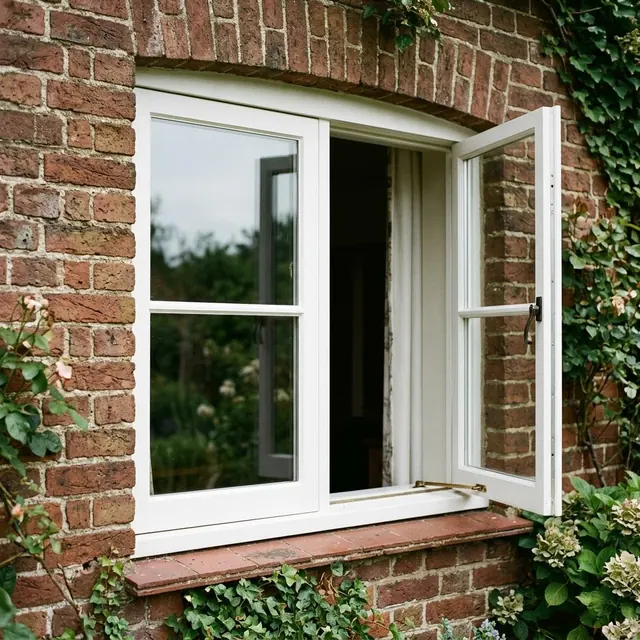
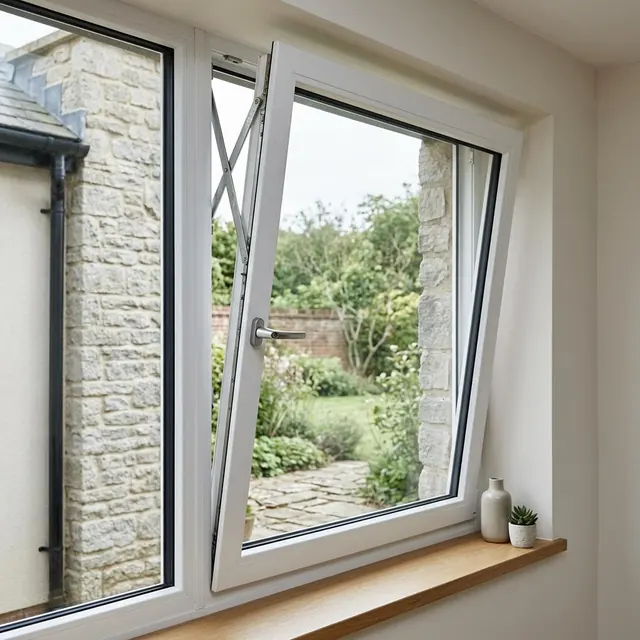
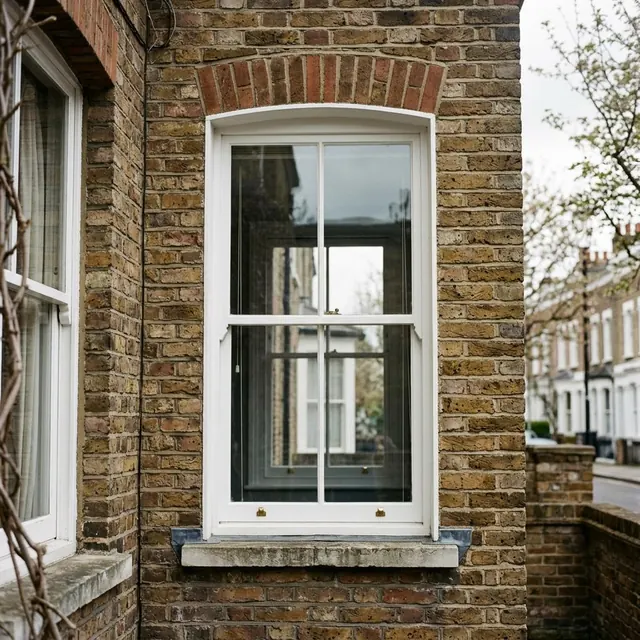
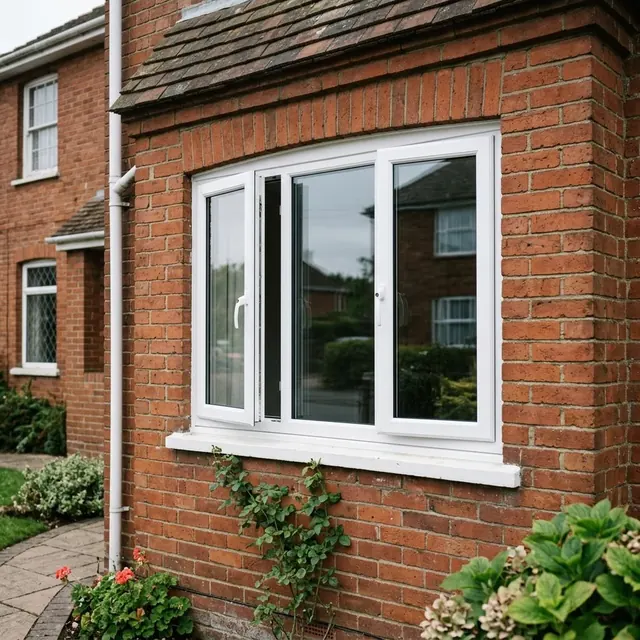
Casement windows use a hinged opening. Tilt-and-turn windows tilt for a smaller opening or swing inward; leave room inside for the opening sash. Sliding sash windows move vertically. Think about ventilation, cleaning access and nearby furniture, and ask whether the room needs an escape opening.
What is the frame made from?

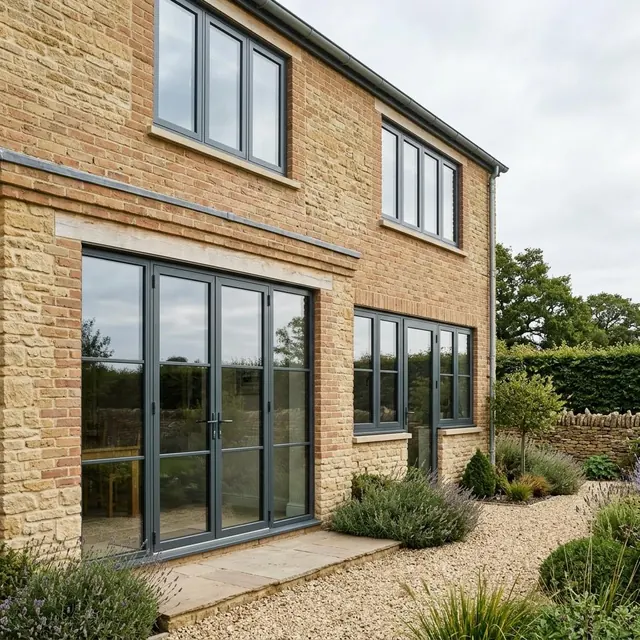
uPVC and aluminium are materials, not opening styles. Either may be offered in different window designs. Compare the proposed frame dimensions, finish, care instructions and cost rather than assuming that a material name tells you how the complete window will perform.

How does the sash sit and look?

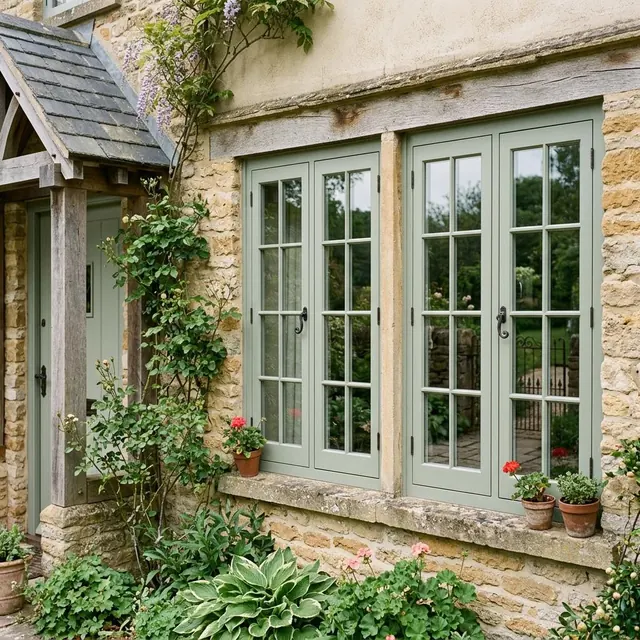
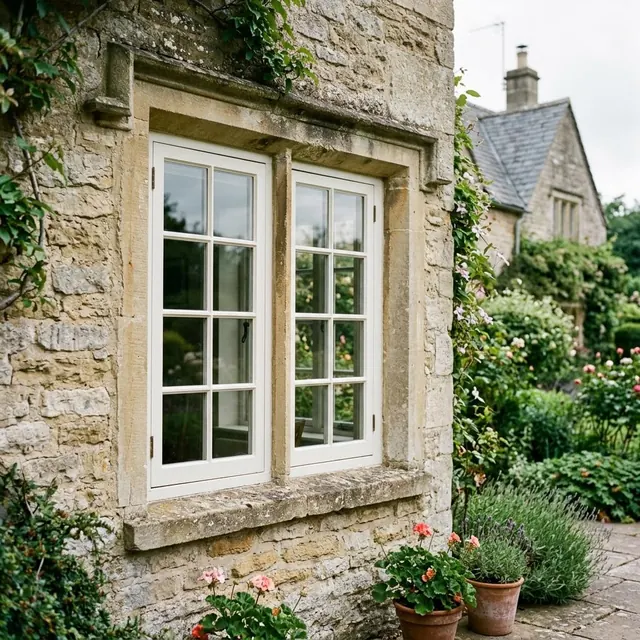
The sash is the part of the window that holds the glass. Flush describes a sash that sits level with the surrounding frame when closed; it does not specify the material. Cottage describes a traditional visual character, often with glazing bars. Ask how the bar layout affects the view and cleaning.

What shape does it form?

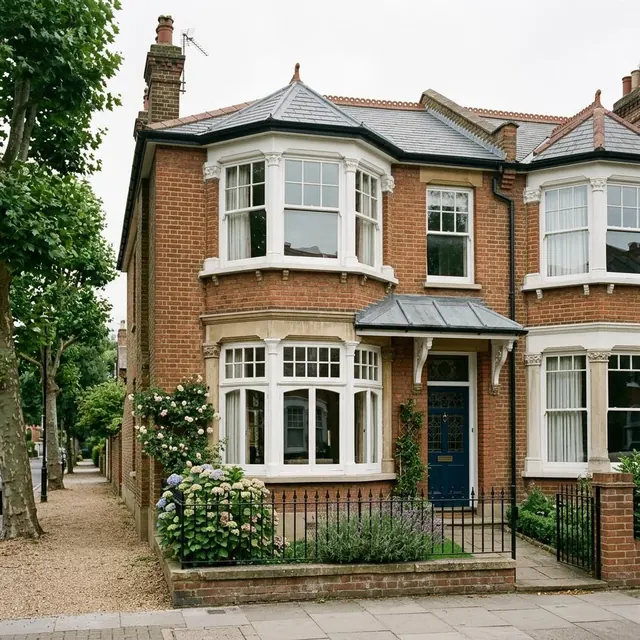
Bay and bow windows project out from the wall. A bay usually has distinct angled faces; a bow uses several sections to form a gentler curve. Their individual sections can include opening or fixed panes. Changing the projection needs a survey of the opening, support and surrounding building.

Glazing / privacy / noise

Choose the glass for the room.

Frame and opening choices do not settle the glazing specification. Tell us what matters most in each room, and ask what glass the proposed frame can accommodate.

Double versus triple glazing

Double glazing has two panes separated by a sealed gap; triple glazing has three panes and two gaps. A third pane can improve thermal insulation, but the result depends on the full specification. It adds weight and may affect frame and hardware suitability. Ask for the whole-window U-value for each quoted option (lower means less heat passes through), along with the price difference. Do not judge by pane count alone.

Obscure glass and privacy

Obscure glass uses a textured or patterned surface to limit a clear view through the pane. It can be useful in bathrooms or overlooked rooms, but patterns offer different levels of privacy and may still show silhouettes when the room is lit. Ask to see a sample and consider both daylight and night-time privacy. Obscure glass is not the same thing as a safety-glass specification.

Traffic and other outside noise

Triple glazing is not automatically the better noise option. Pane thickness, the combination of panes, gaps and any acoustic laminate all matter. Sound can also enter through vents, gaps around frames and other parts of the building. Describe the noise source and when it bothers you, then ask about a suitable acoustic specification and how ventilation will be maintained. No window choice can promise silence.

Ventilation, safety and the existing frame

New glass is not a substitute for room ventilation, and condensation has more than one cause. Ask how the proposed windows will provide ventilation and whether safety glazing is needed for the position of the panes. If you want to change only the glass, the existing frame, seals and hardware need checking; a thicker or heavier unit may not fit.

What happens next

Bring us your questions.

Tell us about the rooms, the existing windows and the look you want. We can discuss the options in the context of your home and prepare a written quotation. Include these details in your enquiry:

  • Which rooms and how many windows you want to change, with approximate sizes or photographs if available.
  • The opening style, material and appearance you prefer, or which decisions you need help with.
  • Any concerns about privacy, outside noise, ventilation or access for cleaning.
  • Whether you are considering new frames or only replacing the glass.

A survey is where the opening, frame suitability and proposed specification can be checked. Ask for the agreed material, opening arrangement, finish and glazing to be listed in the written quote.

Request a local quote